Conservation & Responsibility

Learn how conservation efforts protect Bhitarkanika’s wildlife, mangroves, biodiversity, and natural ecosystems.

Conservation & Responsible Tourism in Bhitarkanika

Bhitarkanika National Park is one of India’s most important wetland ecosystems, known for its rich biodiversity, extensive mangrove forests, and thriving wildlife habitats. Conservation efforts play a vital role in protecting this unique environment while ensuring that visitors can continue to experience its natural beauty. Responsible tourism helps preserve fragile ecosystems, supports local communities, and contributes to the long-term sustainability of Bhitarkanika.

Why Conservation Matters

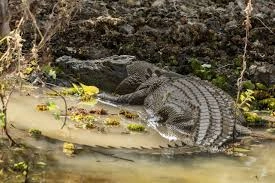
Bhitarkanika is home to India's largest population of saltwater crocodiles, hundreds of bird species, and diverse aquatic life. Protecting these habitats ensures ecological balance and preserves one of Odisha's most valuable natural treasures. Conservation programs help maintain healthy ecosystems and safeguard endangered species for future generations.

Saltwater crocodile or mangrove ecosystem (1)
Responsible Travel Practices

Every visitor can contribute to protecting Bhitarkanika by following responsible tourism practices. Avoid littering, respect wildlife, stay on designated routes, and minimize environmental impact during your visit. Small actions can make a significant difference in preserving the park's natural beauty.

responsible tourism wildlife sanctuary
Supporting Local Communities

Tourism provides valuable opportunities for local communities through hospitality, guiding services, transportation, and cultural experiences. Choosing local businesses and eco-friendly accommodations helps create sustainable economic growth while supporting conservation initiatives throughout the region.

Odisha tribal cultural performance

Explore The Highlights

A quick overview of the key attractions, experiences, and travel insights included in this guide.

wildlife Protection
Wildlife Protection

Dedicated conservation efforts help safeguard crocodiles, migratory birds, and other native wildlife species.

Mangrove Preservation

Protecting mangrove forests helps maintain biodiversity and strengthens coastal ecosystems.

Sustainable Tourism
Sustainable Tourism

Responsible travel practices reduce environmental impact and promote long-term conservation.

Community Development

Tourism supports local livelihoods while encouraging sustainable economic growth.

Environmental Awareness

Educational initiatives help visitors understand the ecological importance of Bhitarkanika.

Eco-Friendly Experiences

Nature-based tourism activities are designed to minimize disturbance to wildlife and habitats.

Quick Facts & Insights

Get a quick snapshot of the key details, visitor insights, and essential information featured in this Bhitarkanika guide.

Conservation Focus
Wildlife & Mangrove Protection
Ecosystem
Wetlands & Mangroves
Key Species
Saltwater Crocodile
Tourism Type
Eco Tourism
Visitor Role
Responsible Travel
Community Impact
Sustainable Livelihoods

Travel Responsibly. Protect Naturally.

Discover the extraordinary beauty of Bhitarkanika while supporting conservation efforts that protect its wildlife, wetlands, and local communities for generations to come.